

Today marks the 56th anniversary of Earth Day, a movement that began in 1970 and has since grown into the largest secular observance (!) in the world. As we look out at our “pale blue dot” this April 22, 2026, we are reminded that environmental protection is a leadership opportunity.
For the Amazons Project, Earth Day is more than a date on the calendar; it is a celebration of the unique role women and girls play as guardians of our ecosystems.
It is staggering to realize that today, over one billion people across 193 countries are taking action. What started as a grassroots protest in the United States has evolved into a global mandate for change. Interestingly, the first Earth Day led to the creation of the United States Environmental Protection Agency and the passage of the Clean Air and Clean Water Acts, proving that when collective voices rise, the change follows.
Today, the movement focuses on “Our Power, Our Planet” (the theme for 2026), emphasizing that the shift to renewable energy and sustainable living isn’t just about technology but also about community agency. It’s about the power of the individual, multiplied by a billion, to demand a resilient future.
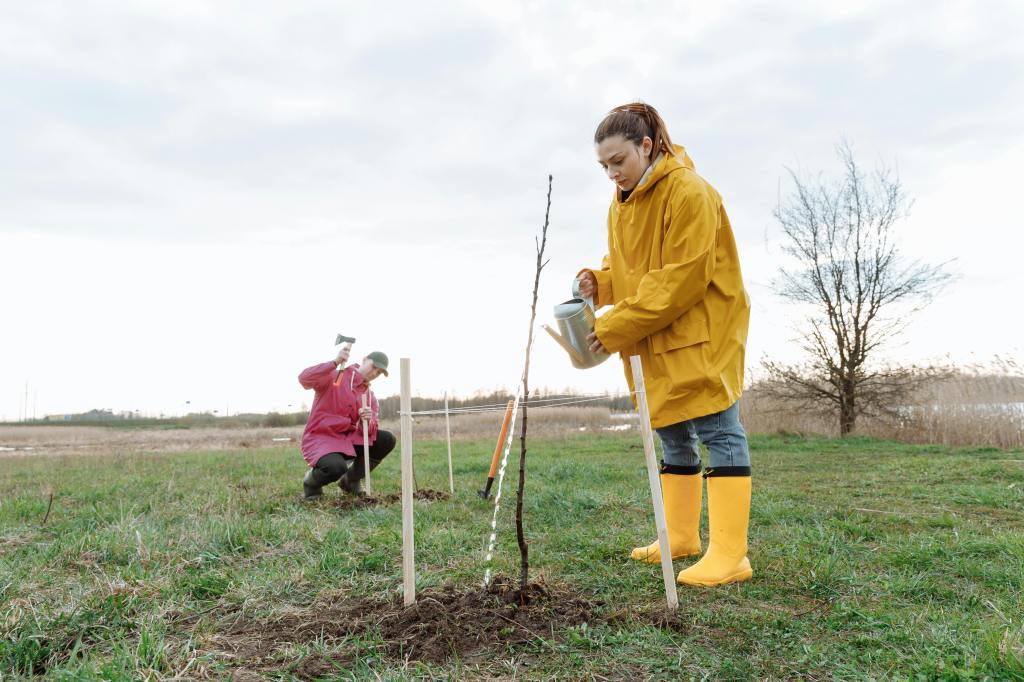
Mother Earth: Why We Perceive Nature as Feminine
Officially, the United Nations refers to today as International Mother Earth Day, emphasizing our interdependence with the planet’s ecosystems.
The term “Mother Earth” is used so frequently that we often overlook its profound implications. This personification of nature as feminine – known as Pachamama in many Indigenous cultures of the Andes – reflects a deep-seated understanding of nature as a life-giving, nurturing force rather than a mere resource to be extracted.
From an ecofeminist perspective, the parallels between the leadership of women and the resilience of nature are clear. Women are often the first to feel the impacts of climate change, yet they are also the most effective leaders in local environmental movements.
Women aren’t just “managing” the environment – women are nurturing a living system. Our project believes that by empowering women’s leadership, we are essentially aligning ourselves with the regenerative rhythms of the Earth itself.
A Global Sisterhood of Action Across Partner Countries
Our project thrives through a network of partners from countries, where these theories are turned into realities in different ways.
In Poland: The Agro Perma Lab foundation is a standout. Led by visionary women, they focus on agroecology and permaculture, training local communities to see food production as an act of environmental restoration rather than just farming.
In the Netherlands: We look to WECF (Women Engage for a Common Future). Headquartered in Utrecht, this group has spent decades ensuring that environmental policies – from toxic chemical bans to climate justice – are designed through a gender-equal lens.
In Portugal: The association Business as Nature has been a driving force. They advocate for a “planetary consciousness,” specifically highlighting how women are the most effective agents for shifting our society toward sustainable development.
In Spain: The movement Madres por el Clima (Mothers for Climate) shows the power of the domestic sphere. These mothers have organized across the country to demand greener schools and urban spaces, proving that the protection of the next generation starts with the protection of the air they breathe.
In Brazil: The Onças do Iguaçu project, led by dedicated female biologists, works to conserve the jaguar population in the Atlantic Forest. Their work blends rigorous science with community education, showing that female leadership is vital for protecting the most iconic symbols of our biodiversity.
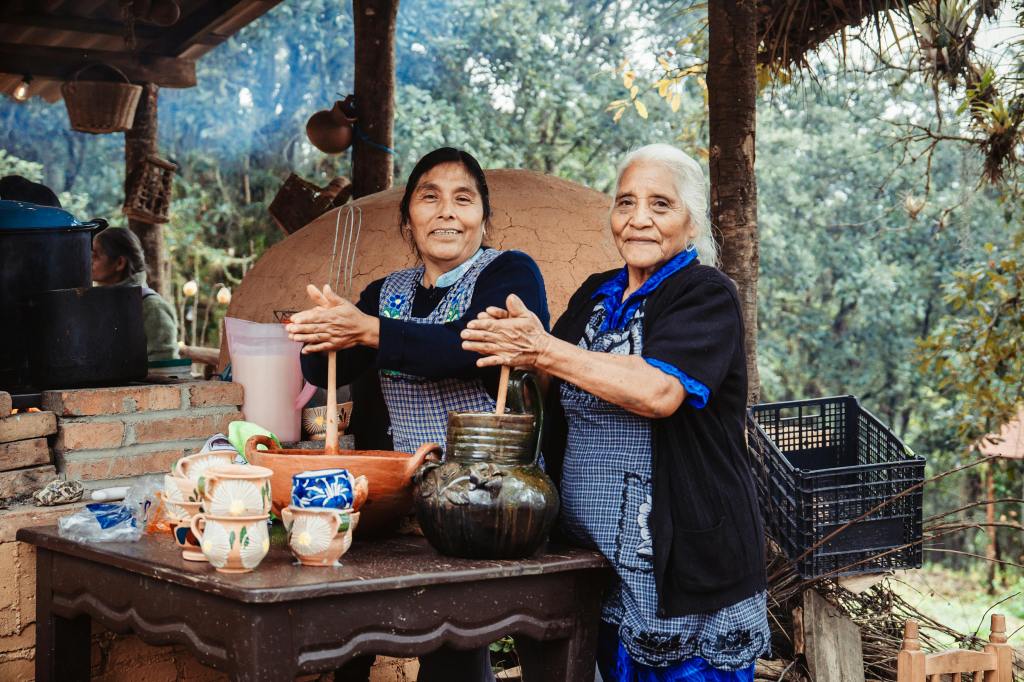
Celebrating the “Amazon” Way at Home
You don’t need to be in the Amazon rainforest to lead like an Amazon. Celebration starts in the territory you manage every day: your home.
Did you know you can begin with a digital cleanup? Our digital footprints, those thousands of unread emails and cloud-stored duplicates, require massive energy from data centers; deleting them is a quiet but powerful act of conservation.
You might also consider a native garden audit. If you have a balcony or a backyard, choose one native plant species to add this spring. Native plants require less water and provide a vital “rest stop” for local pollinators.
Finally, consider a vampire power check. Walking through your home and unplugging electronics that aren’t in use reduces “phantom” energy drain. These small, intentional actions reflect the core of our project: that leadership isn’t about grand gestures, but about the consistent, nurturing care we provide to the world around us.

Happy Earth Day to all the Amazons out there 🙂 Let’s continue to lead with heart and courage.


Leave a Reply