
Within the Amazons Project’s activities, we are researching deeply the systemic barriers stopping young women from becoming leaders in the environmental sector. Having explored what matters for women’s decision-making processes, at least career-wise, we can conclude that leadership styles and the ability to uphold values at work bear significance.
Leadership in general can be affected majorly by the corruption of ideals and dissonance in values. When it comes to caring for the environment, these hindrances occur often.
We don’t need to look too far for examples!
One of them is the so-called greenwashing – a strategy that involves branding companies and organizations as more sustainable than they really are, for their reputation’s benefit and market gains. It ranges from visual manipulation to blatant lies about companies’ practices. Official reports and customer communication do not always go hand in hand.
Out of our experience, as non-governmental organizations involved in many international projects, we can admit that what we can observe a type of greenwashing happening in this sector as well. Operationalizing the buzzword ‘sustainability’ is common in the project documentation, even when the projects don’t meet the SDG standards in real life. It happens, as adherence to both environmental and social sustainability contributes to higher chances of securing the funding.
Now, imagine the scenario – there is a young woman, let’s say, Maria, a fictional but all-too-real example of what many young women face in this space. Maria is driven by passion and hope, who wants to become a leader of an organization that she believes drives a positive impact for the environment. But when Maria joins it, she finds out it is all just for publicity, all in theory, while in practice the organization contributes to environmental degradation with their practices.
Yes, there are different ways out of this situation Maria can take and there are plenty of personal factors contributing to her final decision that we don’t even know. But we need to realize that in some cases, experiencing such disillusionment can lead young women to abandon their leadership aspirations entirely.
Local misunderstandings vs global negligence
There are areas where breaching sustainable standards comes as a great shock, and we recognize the need for continued discussion of such. While local dilemmas are urgent too, the globally recognized initiatives have the actual power of building perceptions. And these perceptions can be distorted.
Let’s go back to Maria – Maria handled her situation and became a leader of the organization she joined, transforming its practices into truly green ones. As a motivated now-leader, she signed up for a Global Climate Summit, to meet the most important people in the field and get further inspired. Then, she realized that all her international peers would travel to the event by planes and highways built in the forest that had been cut down for this particular purpose.
And the global climate leaders are okay with that, too, still attending the Summit. Maria would experience a dissonance and realize “that is why they say – never meet your heroes”.
And so we read in the news…
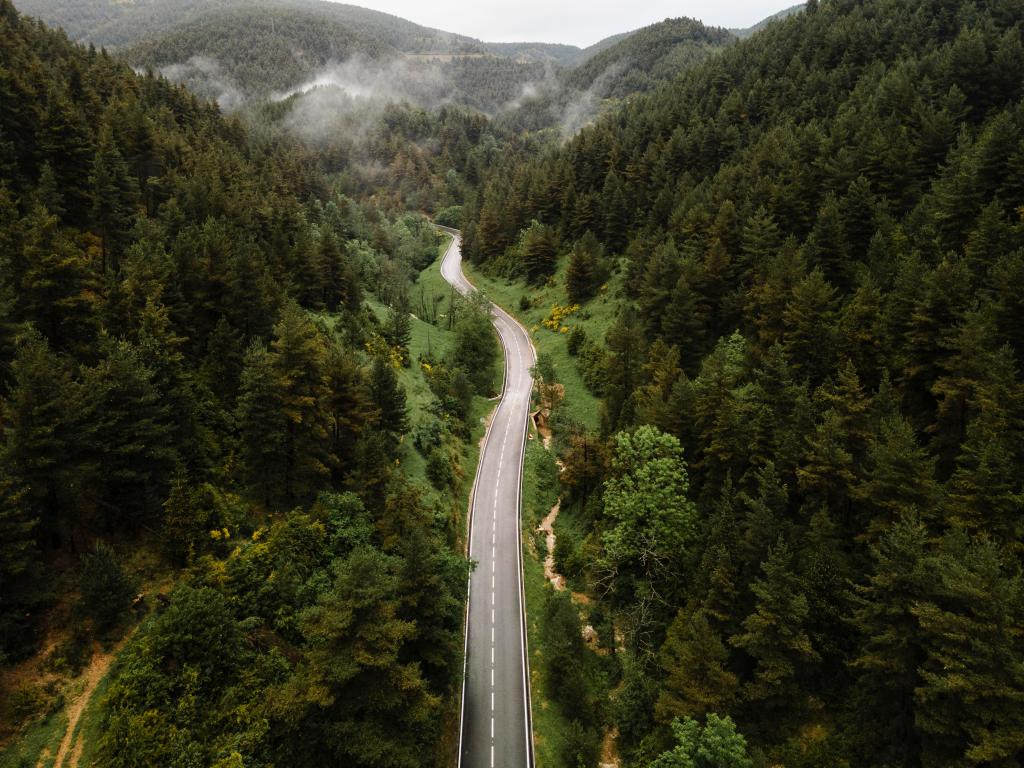
“A new four-lane highway cutting through tens of thousands of acres of protected Amazon rainforest is being built for the COP30 climate summit in the Brazilian city of Belém.
It aims to ease traffic to the city, which will host more than 50,000 people – including world leaders – at the conference in November.
The state government touts the highway’s “sustainable” credentials, but some locals and conservationists are outraged at the environmental impact.
The Amazon plays a vital role in absorbing carbon for the world and providing biodiversity, and many say this deforestation contradicts the very purpose of a climate summit.” [Source: BBC]
We invite you to a discussion and reflection in the comments section:
What can we do to make global summits with thousands of international guests truly sustainable?
And how can we prevent the distortion of leadership ideals in these spaces?
Perhaps these contradictions are the very reason we need new kinds of leaders: motivated, principled individuals ready to break the mold. Perhaps Maria won’t stand alone. Perhaps she’ll find other women just as outraged by the system, and together, they’ll redefine what leadership means.
 Amazons Project
Leave a comment